A Second Minefield: The Resurgence of Piracy in the Gulf of Aden

Updated: Sep 8
Poverty, Payouts, and the Ransom Economy
Somali piracy was supposed to be a closed chapter. A 2010s problem, solved by international naval patrols and filed away as history.
But in 2026, the pirates are making a comeback that could cost million to the under stress middle east nations.
The pirate operations run out of shoreside camps along the Puntland coast, the northeastern tip of Somalia. From there, the geography does the rest of the work. Puntland faces directly onto the Gulf of Aden, a narrow corridor that funnels a staggering share of the world's east-west shipping traffic between the Indian Ocean and the Red Sea. Few stretches of water carry so much cargo through so little space.
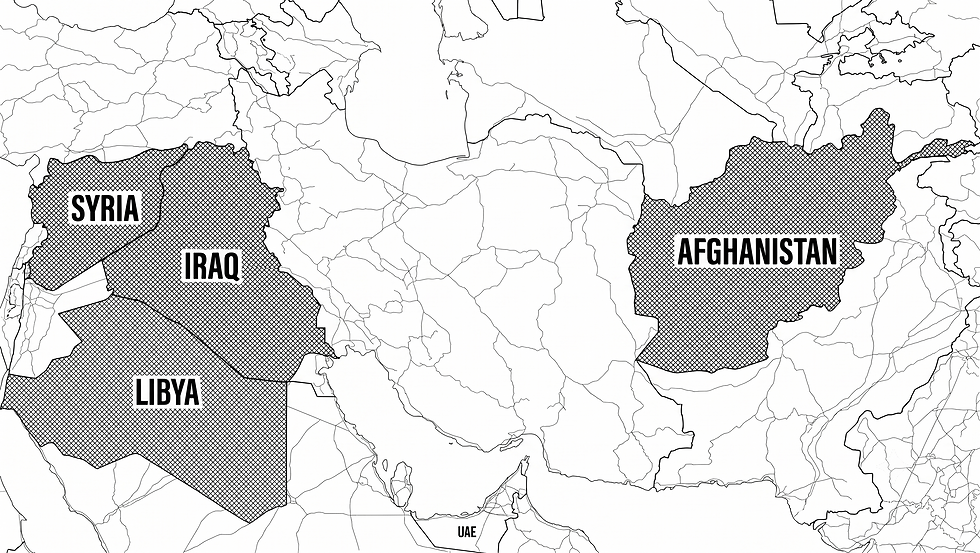
Directly across that corridor sits Yemen’s Houthi territory, and a separate, better-known conflict. Different actors, different weapons, different objectives. But as the picture below shows, the two are becoming harder to separate.
Two threats. One narrow, critical waterway. And by 2026, both are escalating at the same time.
The Numbers Don't Lie
2025 was quiet. With 4 total merchant vessel hijackings across the globe with none being attributed to Somali pirates, as per the ICC Commercial Crime Services (ICC-CCS).
Then 2026 happened.
By mid-year: 13 to 17 boarding or armed robbery incidents and multiple confirmed hijackings
The Somali pirates hijacked the Palau-flagged tanker Honor 25 was seized off Somalia on April 21. Pirates later seized the Sward on April 26, the Eureka on May 2, the Asana on July 17 and the Lutuf on August 17.
The International Maritime Bureau recorded 38 piracy and armed robbery incidents worldwide during the first half of 2026, including five hijackings. Somali pirates accounted for 94% of crew members taken hostage during that period.
That's not a blip. That's a trend line pointing straight up.
The Ransom Economy Built on Piracy
Follow the money. It tells the real story.
In March 2026, Somali pirates released a hijacked Chinese vessel after collecting a ransom reported to be as high as $1.5 million. One ship. One payday. One very clear signal to every other crew watching from the coast.
Ships ransomed in recent years have reportedly netted payouts as high as $5 million. Numbers like that, in a country where U.S. aid dropped from $476 million in 2024 to just $3 million in the first quarter of 2026, don't need much explanation.
Piracy fills the gap. For many, it's the only way to earn above the poverty threshold. It's a high-risk bet but almost anyone can take it.
Every successful ransom is advertising. And right now, business is good.
So why now? Why this sudden return of a threat everyone had filed away as history?
Three reasons. And they all connect.
Reason One: A Deal Between Unlikely Partners
The U.N. and regional security analysts have documented a working arrangement between the Houthi movement in Yemen and Somali militant networks and groups connected to al-Shabab, local pirate outfits.
The exchange is simple and transactional.
Houthis provide weapons to the Somali militants. Assault rifles, light machine guns, and critically advanced GPS tracking gear. The kind of equipment that turns opportunistic piracy into precision hijacking.
In return, Somali groups turn up the heat. More attacks. More hijackings. More chaos in the Gulf of Aden.

Why would the Houthis want that? Because chaos is strategic. Every naval asset chasing pirates off Puntland is a naval asset not watching Houthi smuggling routes in the Red Sea. Split the enemy's attention, and your own operations get room to breathe.
For the pirates, it's simpler. Weapons, gear, and a cut of the ransom economy. Nobody here needs to share a worldview. They just need to share an interest.
Reason Two: The U.S. Navy Is Stretched Thin
You can't be everywhere at once. Not even with a carrier strike group.
The U.S. and allied navies are already committed to containing Houthi missile and drone attacks in the Red Sea, a fight that's consumed enormous naval bandwidth and resources for years now.
Every ship watching the Bab-el-Mandeb Strait is a ship not patrolling the Somali basin. And pirates, whatever else you say about them, are opportunists. They read gaps in coverage the way traders read gaps in the market.
The gap opened. They walked through it.
Reason Three: Iran's Long Shadow
Zoom out further, and there's a bigger hand on the board.
Iran's relationship with the Houthis isn't new, arms, training, strategic backing, all well documented over the years. What's shifting is the payoff.
A destabilized Gulf of Aden serves Tehran's broader interests. It keeps Western naval power distracted, stretched, reactive instead of proactive. It raises the cost, literal insurance and shipping cost, of moving goods through a corridor the US and its allies want to keep open and cheap.
Every headline about a ship being hijacked erodes the idea that Western navies can guarantee safe passage through the world's most important shipping lanes.
That's not accidental. That's leverage.
Why the Gulf of Aden Matters Even More Right Now
2026 has been a catastrophic one for the Strait of Hormuz. Iran effectively shut the strait to normal commercial traffic in late February, and the fallout has been massive — Gulf producers cut off from roughly 20 million barrels a day of normal throughput, with every pipeline bypass combined only able to move about half that.
Ships had to go somewhere. A lot of them went south and west through the Gulf of Aden, around the Cape of Good Hope, or hugging closer to the Somali coast than they ever wanted to.
The Gulf of Aden was supposed to the safer detour while Hormuz burned. Instead, it turned into a second minefield, Houthi missiles on one side, resurgent pirates on the other, and energy tankers packed with cargo now sailing dangerously close to Puntland's pirate hotspots simply because they had nowhere else to go.
High oil prices made those tankers worth more. Proximity made them easier to reach. Put the two together, and you get exactly the kind of target pirates dream about.
When your main detour becomes your new danger zone, you don't have a detour anymore. You have two crises feeding each other.
The Bigger Picture
None of these three reasons work alone. Together, they're a machine.
Houthis supply the tools. The Navy's attention is elsewhere. Iran benefits from the noise. And Somali pirates, who never really went away, just went quiet, are back doing what they do best.
The Gulf of Aden has become a second a pressure point that someone is willing to choke and hold hostage.


Comments